Textile Hub October 2026
Rehoming Sale of Craft and Textile Goods At Braintree Community Centre Tea and coffee available. We have stocks of fabric, buttons, cottons, card making & some good papercraft items for sale at affordable prices.
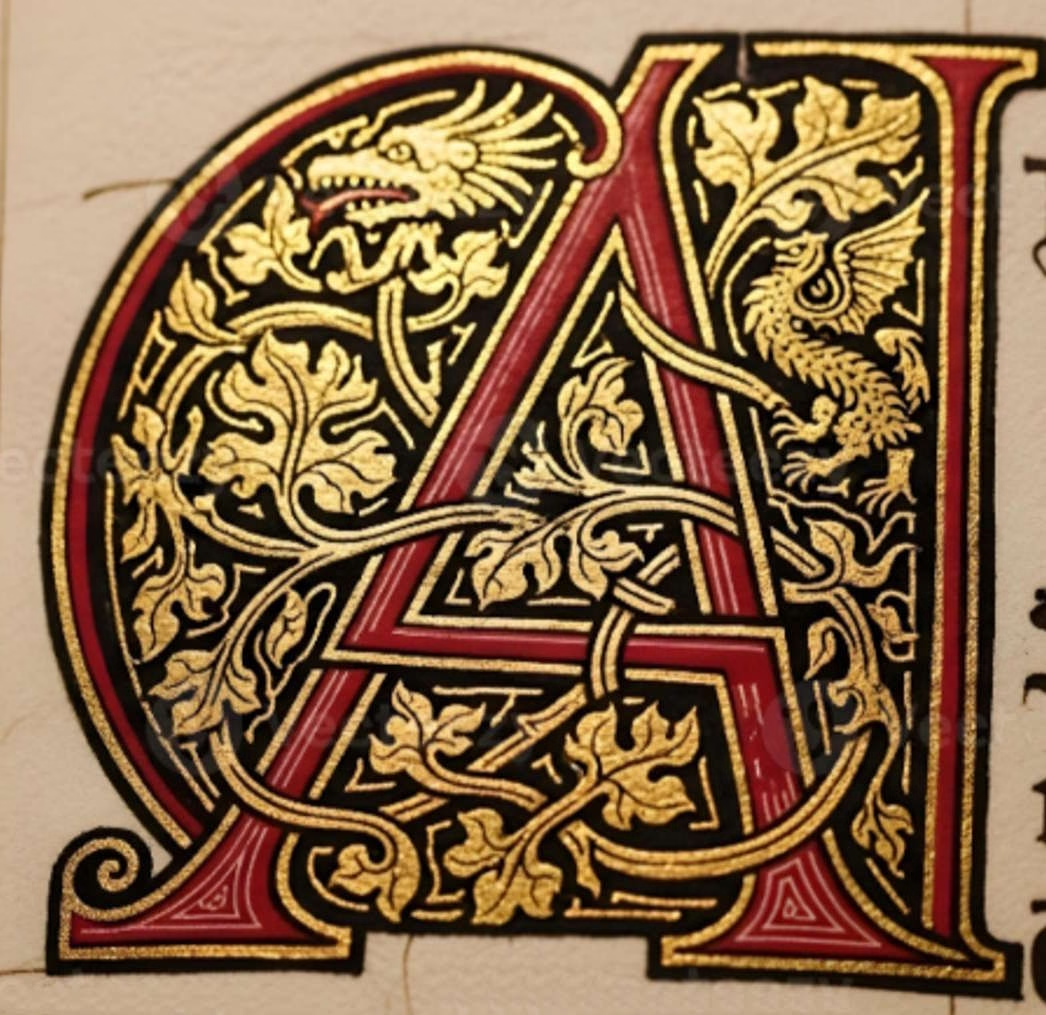
Elevate your artistic practice with the timeless craft of illuminated manuscripts. Join us for an immersive, hands-on workshop where you will master metal leaf gilding techniques and intricate metallic embossing to create stunning, radiant artwork. What You'll Learn: The delicate art of applying genuine metal leaf and creating raised, textured embossing inspired by historic illuminated manuscripts. Who It's For: Designed specifically for adult learners of all skill levels—from curious beginners to practicing artists seeking to add a luxurious dimension to their work. We will also look at the traditional colours and illustration style of the times to enhance your work. Space is strictly limited to ensure individual guidance.
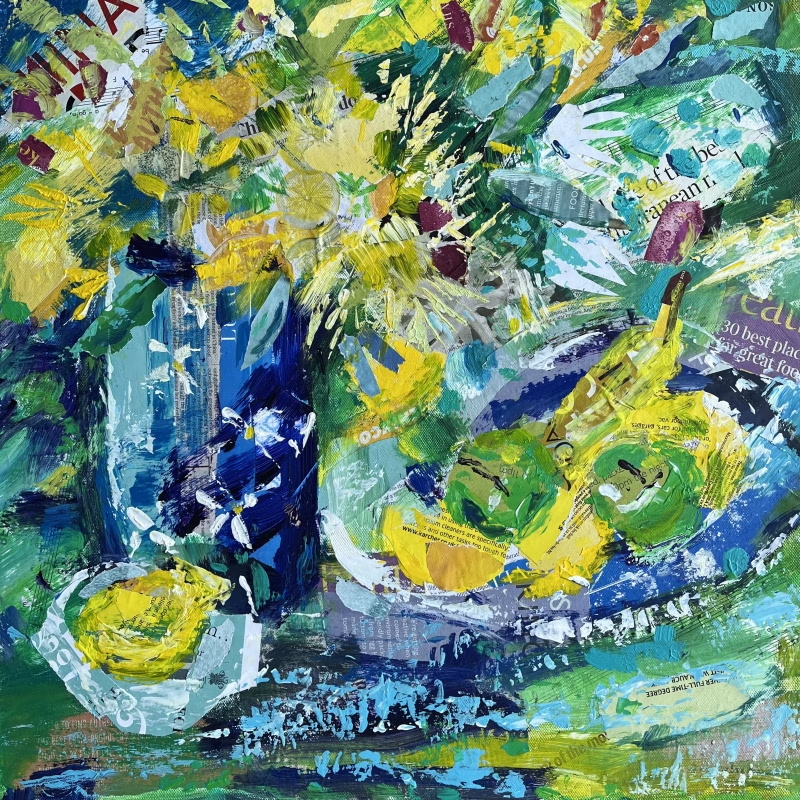
With David Pasfield. Using an underpainting technique to apply a first impression painting, followed by texture build-up using a palette knife with heavy body acrylics in an impasto style. Equipment & Materials - Acrylic paints – vibrant colours (Winsor & Newton Galeria range are good) – do not worry if you do not have a large range of colours, the tutor can provide some extra. - Extra heavy matt gel (impasto). - Canvas or MDF or hardboard, pre-primed with white gesso. At least 50x50 cm in size. - Large bristle brushes and palette knife - Easel – preferably free-standing but a table easel will suffice. - Palette – stay-wet palette or greaseproof paper sheets clipped to cardboard backing is adequate. - 2 water pots and roll of kitchen towels. Free refreshments provided, but bring or buy your own lunch. Please arrive around 9am to set up your equipment.
Illustration 101- A Beginners Guide to Traditional Illustration. A five week course aimed at beginners with no industry experience. We will look at different traditional illustrative styles from graphic novels to Ladybird book artists, and hands on experience with graphite, ink, alcohol inks, watercolour and gouache paints. Create a fully realised traditional illustration based on a short story, passage or poem, gently guided by your experienced tutor who is also a published artist and illustrator. Practical knowledge tips of how to create a portfolio, query publishers, pitch to authors and navigate basic illustration contracts.' Refreshments and biscuits are provided at a cost of £1.00 every four weeks payable in class. Please note, this may not be a nut free environment, lactose free milk, herbal teas, and decaf ‘options are available. if you require more specific dietary allowances please feel free to bring them along. Prospectus: For all sessions bring an HB pencil, an eraser, a sketchpad, masking tape. (If a painting session) additionally bring a couple of containers for your water, at least one palette knife for mixing paint and paper towel or cloths if you’d prefer. It would be very helpful to have a drawing board. WEEK SUBJECT RESOURCES REQUIRED WEEK 1 Foundations of Line & Shadow Illustration Focus: Basic shape breakdown, contour drawing, value shading, and controlling line weight Introduction to traditional tools and observational drawing principles Industry Insight: Understanding the Publishing Landscape—overview of trade publishers, self-publishing, and what editors look for in a traditional illustrator . […]
The actual name of this block varies but one thing is certain, it makes a wonderful design to showcase Christmas or any holiday seasons’ designs and colours. We will be making the top only during the session but you will be given instructions and ideas for various backing methods for you to choose from. Also learn to make up half square triangles and sew units quickly with the chain piecing method. The completed quilt top measures approximately 54” X 72” made up of twelve units of this block, which makes it a perfect lap sized piece to cuddle up with. Materials to bring to the session: We will be constructing the blocks with the sewing machine so please bring your sewing machine with all attachments, manual and extension lead if you have one. Fabric: You can use quilting cotton or poly/cotton fabric for the blocks. Fabric requirements are based on 44” wide fabrics. Look at the block above as a guide and choose your colour way as you would like. Red accent = 1 meter White background= 2 meters Dark green portion of star= 1.5 meters Light beige portion of star= 1.5 meters Binding strip for edge=1 meter (instructions/demo will be given on how to bind the quilt in the session so if you want to hold off in deciding and purchasing the binding colour- you can wait until later). Neutral coloured all- purpose sewing thread. Usual sewing kit to include pins or clips, measuring tape and sharp fabric […]
With David Pasfield. Using an underpainting technique to apply a first impression painting, followed by texture build-up using a palette knife with heavy body acrylics in an impasto style. Equipment & Materials - Acrylic paints – vibrant colours (Winsor & Newton Galeria range are good) – do not worry if you do not have a large range of colours, the tutor can provide some extra. - Extra heavy matt gel (impasto). - Canvas or MDF or hardboard, pre-primed with white gesso. At least 50x50 cm in size. - Large bristle brushes and palette knife - Easel – preferably free-standing but a table easel will suffice. - Palette – stay-wet palette or greaseproof paper sheets clipped to cardboard backing is adequate. - 2 water pots and roll of kitchen towels. Free refreshments provided, but bring or buy your own lunch. Please arrive around 9am to set up your equipment.
Rehoming Sale of Craft and Textile Goods At Braintree Community Centre Tea and coffee available. We have stocks of fabric, buttons, cottons, card making & some good papercraft items for sale at affordable prices.
Starting 7th January 2027 for 4 weeks. £45 for the full course, payable in advance. What can a flower say without words? Why do artists use particular animals as symbols? How have ordinary marks and objects acquired extraordinary meanings? And why do some works of art develop reputations for being haunted or cursed? This four-week course explores the relationship between art, symbolism, belief and storytelling. Each week begins with approximately 45 minutes of accessible, illustrated and interactive art history, followed by 1¾ hours practical session. Each week introduces a different artistic medium. Prospectus with course description and materials required available upon request. Image credited to Frederick Sandys.
With David Pasfield. Using an underpainting technique to apply a first impression painting, followed by texture build-up using a palette knife with heavy body acrylics in an impasto style. Equipment & Materials - Acrylic paints – vibrant colours (Winsor & Newton Galeria range are good) – do not worry if you do not have a large range of colours, the tutor can provide some extra. - Extra heavy matt gel (impasto). - Canvas or MDF or hardboard, pre-primed with white gesso. At least 50x50 cm in size. - Large bristle brushes and palette knife - Easel – preferably free-standing but a table easel will suffice. - Palette – stay-wet palette or greaseproof paper sheets clipped to cardboard backing is adequate. - 2 water pots and roll of kitchen towels. Free refreshments provided, but bring or buy your own lunch. Please arrive around 9am to set up your equipment.
Limited parking to the side and rear of the centre. Wheelchair access is available at the front of the Centre.
Class fees are payable on the day at reception on arrival. Workshop fees must be paid 2 weeks before, either in person or by phone unless otherwise stated.